Skip to the main content.

8 min read

The Durbin Loophole: Why Airlines Are Suddenly Obsessed with Debit Cards Again

The Durbin Loophole: Why Airlines Are Suddenly Obsessed with Debit Cards Again

Key Takeaways from This Blog:

  • The Durbin Amendment only eliminated rewards for large banks, leaving institutions under $10B exempt from interchange caps. Airlines are now using that exemption through small bank partnerships to bring back rewards earning debit cards.
  • Small banks like Sunrise can issue millions of co-branded debit cards because fintech infrastructure handles the technology and compliance. This lets airlines monetize the small-bank exemption and build loyalty without relying on traditional credit card models.
  • Debit rewards only work while a bank stays under $10B or the exemption remains unchanged. Community banks pursuing these partnerships must manage growth carefully and prepare for regulatory scrutiny that could close this window.

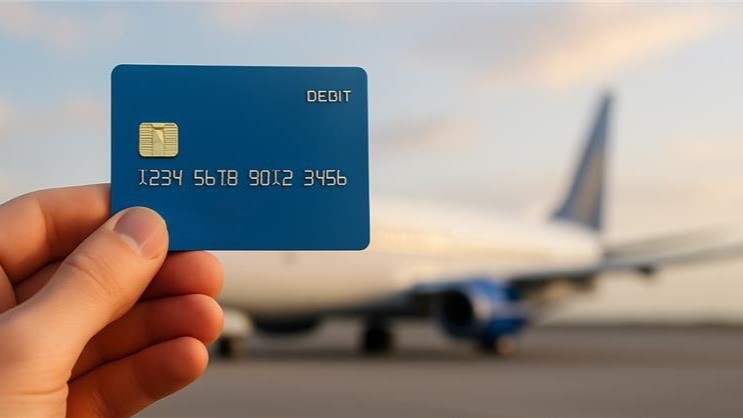
You start seeing the same advertisement everywhere. Airport concourses. Airline magazines. Email offers. Southwest wants you to use their debit card. So does United. Both launched within a week of each other. Both promising airline miles on everyday spending.

Wait. Debit cards don't earn rewards. Haven't since 2011. So what changed?

On October 28, 2025, Southwest Airlines launched its Rapid Rewards Debit Card. One week later, United followed with its MileagePlus Debit Rewards Card. Both cards earn airline miles on everyday spending. Both are issued by the same small Minnesota bank. Both exploit the same exemption buried in 2010's Dodd-Frank Act.

Here's what that means for community banks: The regulatory framework designed to protect small institutions from competitive disadvantage just became the foundation for a new generation of airline-bank partnerships. And this time, the stakes go far beyond interchange fees.

The Durbin Amendment Killed Debit Rewards. Or So We Thought.

Before 2011, debit cards earned rewards. Continental Airlines offered 1 mile per dollar spent. Bank of America gave cash back on debit purchases. Then came Senator Dick Durbin's amendment to Dodd-Frank, capping interchange fees at 21 cents plus 0.05 percent of the transaction for banks with more than $10 billion in assets.

The math was brutal. Pre-Durbin, banks earned roughly 44 cents per debit transaction. Post-Durbin, that dropped to about 24 cents for covered institutions. A 45 percent revenue cut overnight. Debit rewards programs vanished. Free checking disappeared next, replaced by monthly maintenance fees.

Merchants saved an estimated $9.4 billion annually. What's not debatable is what happened to debit rewards: they went extinct.

Until now.

Except the Durbin Amendment didn't kill debit rewards. It killed big bank debit rewards. The exemption for community banks always allowed for this exact outcome. What changed wasn't the rules. What changed was that someone finally bothered to read them.

The Short Answer: Small Banks Never Lost The Ability To Offer Rewards

Banks with less than $10 billion in assets remained exempt from Durbin's interchange caps. They could always charge market rates and fund rewards programs. For fifteen years, they lacked the technology platforms and national partnerships to capitalize on that advantage. Banking-as-a-Service changed the equation. Now airlines are using small bank exemptions to offer debit rewards at scale, and the economics work because regulatory arbitrage makes them possible.

Here's the longer story of how it happened.

The Small Bank Exemption Nobody Noticed

Buried in the Durbin Amendment was a carve-out: banks with less than $10 billion in assets remain exempt from interchange caps. These institutions can still charge market rates, roughly 0.8 to 1.0 percent of transaction value. On a $100 purchase, that's 80 cents to $1.00 versus the regulated 24 cents.

For fifteen years, this exemption remained largely theoretical. Small banks didn't have the scale, technology, or partnerships to compete with Chase or Bank of America on consumer payment products. The exemption protected them from loss, but it didn't create opportunity.

Enter Banking-as-a-Service.

How Airlines Turned Regulatory Protection Into Profit

Southwest's Rapid Rewards Debit Card and United's MileagePlus Debit Rewards Card share identical infrastructure. Both are issued by Sunrise Banks N.A., a $2.4 billion asset institution based in Minnesota. Both run on Visa's network. Both are powered by Galileo Financial Technologies, a SoFi-owned fintech platform.

The structure is elegant: Sunrise Banks charges market-rate interchange on every transaction. That higher interchange funds the rewards program. The bank buys airline miles wholesale at about 1 cent each, then credits cardholders' accounts. Airlines sell miles upfront for cash. Banks earn deposits from checking account balances. Galileo provides the technology platform. Consumers earn miles on everyday spending without a credit check.

Everyone wins. Except, perhaps, the merchants still paying higher interchange fees.

The Economics That Make It Work

The Rapid Rewards Debit Card earns 1 point per $2 spent on everyday purchases, 1 point per $1 on Southwest flights and select categories. There's a $6.99 monthly fee, waived with a $2,500 average balance. Annual bonuses reach 7,500 points for customers spending $15,000 or more.

The MileagePlus card offers similar economics: 1 mile per $2 on everyday spending, 1 mile per $1 on United purchases, with a $4 monthly fee waived for balances above $2,000. United also pays miles for saving, offering up to 70,000 bonus miles annually for customers maintaining balances above $50,000.

Both cards require no credit check. Both are FDIC-insured. Both count earned miles toward elite status.

Southwest explicitly positions the card for "a college student looking to book a flight to watch their favorite team, a parent setting up an account for a recent graduate, or a cash-savvy customer looking for another way to earn rewards."

Young travelers. People rebuilding credit. Consumers wary of revolving debt. The underbanked.

This matters because airlines aren't competing for wallet share. They're competing for relationship formation. Credit card companies spent fifteen years training consumers that rewards require credit checks, minimum spend thresholds, and annual fees. Debit cards with airline miles break that psychological contract. The product isn't just accessible. It's cognitively different.

Why This Matters Beyond Airline Miles

BaaS platforms changed the equation. A $2.4 billion bank in Minnesota can now issue millions of co-branded debit cards for Southwest and United, leveraging regulatory exemption at scale. The technology stack, marketing, and airline partnerships provide what small banks historically couldn't build themselves.

The model works because it aligns incentives: Airlines get deposits, upfront mile sales, and ecosystem lock-in. Banks gain fee income and interchange revenue. Technology platforms earn processing fees and prove their BaaS infrastructure can compete with traditional card issuers.

The unspoken reality: this only works because Sunrise Banks remains exempt from Durbin caps. Cross that $10 billion threshold, and the economics collapse instantly.

The Regulatory Tension Nobody's Talking About

Senator Durbin created the small bank exemption to protect community institutions from competitive harm. Now that exemption enables national airlines to offer rewards-earning debit cards at scale, competing directly with credit card issuers while avoiding the interchange caps that were supposed to benefit merchants.

Merchants lobbied for the Durbin Amendment, arguing that uncapped interchange fees represented price-fixing. But exemptions create opportunities. Airlines partnering with small banks now charge merchants the same interchange rates that existed before Durbin, just with different beneficiaries. Merchants still pay. Customers still earn rewards. The regulatory intent gets arbitraged.

The exemption is statutory, not regulatory. Changing it would require Congressional action, and community banks have powerful advocates who oppose any changes that might disadvantage smaller institutions.

Which raises an uncomfortable question: Did Senator Durbin inadvertently create the very arbitrage opportunity he sought to eliminate? The amendment capped large bank interchange to benefit merchants. The exemption protected small banks from competitive harm. Nobody anticipated that technology platforms would connect the two, turning regulatory protection into national-scale distribution. The loophole isn't a bug. It's a feature nobody knew existed until Southwest and United decided to turn it on.

What Happens When Sunrise Hits $10 Billion

Sunrise Banks had $2.4 billion in assets when it launched these programs. Southwest, United, and Wyndham represent significant deposit growth opportunities. Cross the $10 billion threshold, and the economics evaporate.

Airlines are betting that won't matter. By then, they'll have locked in millions of customers, gathered valuable spending and behavior data, and potentially converted debit cardholders into credit card customers. The debit card is the gateway, not the destination.

Richard Nunn, CEO of United's MileagePlus program, made this explicit: "Our goal is to have a card for every type of traveler who flies United, no matter their need."

Translation: capture customers early with debit, migrate them to credit when their financial situation improves, and maintain lifetime loyalty through the entire journey.

What Nobody's Saying Out Loud

Sunrise Banks didn't stumble into this opportunity. Neither did Galileo. They're executing a deliberate strategy: grow fast, monetize the exemption, and either stay perpetually below $10 billion through structural gymnastics or exit before the threshold kills the economics.

The model only works if everyone pretends it's sustainable. Airlines need cardholders to believe rewards will continue indefinitely. Banks need regulators to view partnerships as legitimate banking relationships, not regulatory arbitrage. Technology platforms need investors to value growth without questioning what happens when the exemption disappears.

The truth is simpler: this is a land grab. Capture customers now, extract value from the regulatory window while it's open, and figure out the endgame later. It's not cynical. It's rational. But banks entering similar partnerships should understand they're not building forever businesses. They're building businesses designed to exploit temporary advantages before market forces or regulatory changes eliminate them.

The Community Bank Opportunity (And Risk)

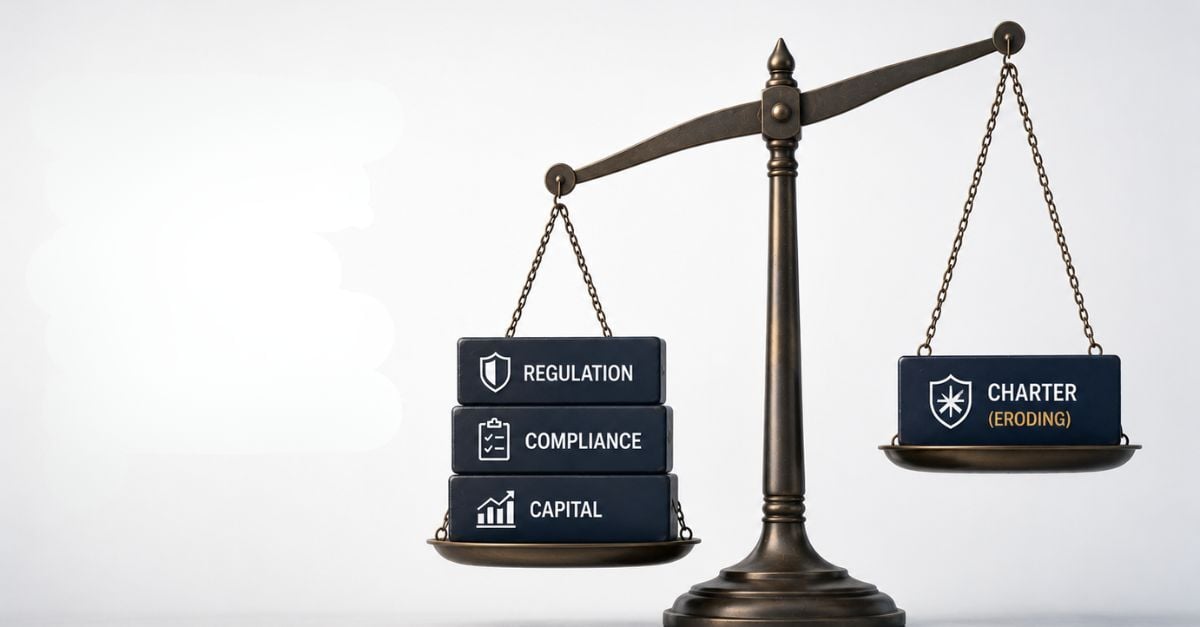
For community banks, airline debit cards represent both validation and warning. Validation because the Durbin exemption finally provides a competitive advantage at scale. Warning: that advantage depends entirely on staying below $10 billion in assets.

Banks considering BaaS partnerships should pay attention to several realities:

Growth limits matter. Successful partnerships drive deposit growth, pushing banks toward regulatory thresholds. The $10 billion mark triggers not just Durbin exposure but also enhanced prudential standards, Dodd-Frank stress testing, and CFPB examination authority.

Partnership risk is real. Sunrise Banks now depends on three major brands for significant portions of its deposit base and interchange revenue. If any partnership fails, concentration risk could destabilize the business model.

Regulatory scrutiny is coming. The FDIC's custodial deposit rule, proposed after the Synapse collapse, specifically targets BaaS arrangements. Banks must maintain real-time visibility into beneficial ownership, conduct daily reconciliation, and hold resolution-ready data.

Interchange economics are temporary. Even if Sunrise never crosses $10 billion, Congress could modify or eliminate the small bank exemption. The Credit Card Competition Act aims to expand interchange regulation to credit cards. If that gains momentum, debit exemptions could face renewed scrutiny.

The opportunity is to leverage regulatory exemption while it lasts, building deposit relationships and technology capabilities that provide value beyond interchange revenue. The risk is building a business model that depends entirely on a regulatory arbitrage that could disappear overnight.

What Banks Should Be Thinking About

First, the Durbin exemption is now a competitive asset, not just a protective shield. Community banks under $10 billion in assets can offer economics that larger institutions cannot match.

Second, these partnerships require infrastructure that most community banks don't have. Real-time ledger access. Daily reconciliation. Direct API integration. The FDIC's September 2024 proposed rule makes these requirements explicit.

Third, growth management becomes strategic. Banks that successfully execute BaaS partnerships will face pressure to grow. Staying below $10 billion may require deliberate choices: spinning off business lines, limiting partnership scope, or accepting slower growth in exchange for maintaining interchange advantages.

Fourth, the airline model isn't the only model. The same infrastructure could support regional retailers, healthcare systems, university networks, or employer-sponsored programs. The question isn't whether to pursue BaaS partnerships, but which partnerships align with the bank's risk appetite and growth strategy.

Fifth, merchants are watching. Banks should be prepared to defend the small bank exemption when scrutiny intensifies.

The Bigger Picture

Debit card rewards died in 2011. For fifteen years, consumers who preferred debit had no way to earn miles or points on everyday spending. Now airlines discovered that regulatory exemptions, combined with modern BaaS technology, make debit rewards viable again. Not for everyone. Not at credit card earning rates. But viable for specific customer segments.

Community banks spent fifteen years treating the Durbin exemption as defensive protection. Southwest and United just proved it can be an offensive weapon. The window is open now. How long it stays open depends on how many banks recognize the opportunity before it closes.

Because it will close, either Sunrise crosses $10 billion and kills its own economics, or Congress notices that the small bank exemption now funds national airline loyalty programs, or enough banks pile into similar partnerships that regulators decide the exemption has been stretched beyond its original intent.

Swipe your Southwest debit at Starbucks. Earn points toward your next flight. Fifteen years ago, that transaction was impossible. Today, it's the future of debit card rewards, built entirely on a regulatory exemption meant to protect small banks from competitive harm.

The irony isn't just delicious. It's instructive. Every regulatory framework creates winners and losers. The winners are rarely the ones lawmakers intended to help. They're the ones who read the footnotes, found the loopholes, and built businesses before anyone noticed what was possible.

This time, the footnote is wearing wings and it will be interesting to see if they can leverage their airline rewards into capturing debit card activity from those flyers who prefer debit cards.

Fair Banking for All: Implications for Credit and Debit Card Programs

Fair Banking for All: Implications for Credit and Debit Card Programs

"Fair Banking for All" is a strategic principle focused on ensuring equitable, inclusive, and transparent access to financial services. For credit...

Read More
Stablecoin Strategy: Next Steps for Financial Institutions

Stablecoin Strategy: Next Steps for Financial Institutions

Adapting to the digital currency landscape in the wake of JPMorgan’s Announcement

Read More
Increase Member Engagement with High-Value Credit Card Loyalty Programs

Increase Member Engagement with High-Value Credit Card Loyalty Programs

With as much as 40% of an institution's Net Interest Income coming from payments, banks and credit unions cannot afford to get it wrong.

Read More